
When a workers' compensation claim lands on your desk tied to a musculoskeletal disorder (MSD), the quality of the ergonomic worksite analysis (EWA) behind it can determine whether that claim resolves quickly or escalates into litigation.
Read More
When a workers' compensation claim lands on your desk tied to a musculoskeletal disorder (MSD), the quality of the ergonomic worksite analysis (EWA) behind it can determine whether that claim resolves quickly or escalates into litigation.
Read More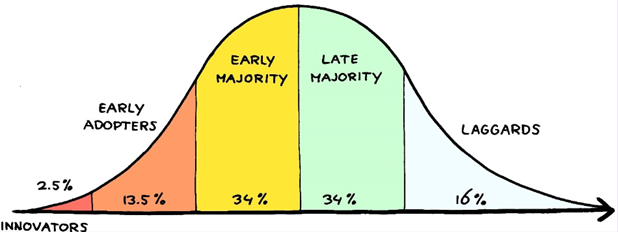
Ergonomics is the scientific discipline rooted in ensuring humans work efficiently with technology.
In the modern world, we are routinely faced with the option to integrate new technology into our day-to-day routines. Think of the last time your computer updated with a new version of Outlook or the latest version of your favorite software. Were you nervous or eager to try it?

It shouldn't be, but in many organizations it is. Knowing how to request an evaluation is often a mystery.
Relying on an ergo-hotline phone call, an email to the supervisor, or word of mouth are insufficient and ineffective to encourage engagement in your ergonomics process. These methods fall short in driving engagement with your ergonomics process, often slipping under the radar or being disregarded. Nor does it allow you to capture vital information about why employees need an ergonomic assessment.
Solve the mystery by using a simple gateway form
Read More
Small to mid-size enterprises (SME) typically take a transactional approach to using the science of ergonomics.
Transactional ergonomics is used as a one-time solution to impact one or more employees for a particular reason, such as using an assessment for onboarding, workstation setup, and injury prevention. Or utilizing it reactively as part of a workers’ compensation management strategy.
The challenge with a transactional approach is it is not always a transparent process shared throughout the organization as a strategy available to all employees. How do your employees access your ergonomics evaluation process?
Read More
These days ergonomic credentials are like a bowl of alphabet soup leading to lots of confusion for buyers of ergonomics services and those seeking to uplevel their career with ergonomics. There are many credentials available in the ergonomics training marketplace. Understanding the various ergonomics credentials helps to understand the education, training, and experiences impacting the quality of service provided, the fees charged and the results the buyer or employer will achieve.
Read More
Every organization who has an ergonomics program that offers ergonomics evaluations creates a journey for its employees. What does your employee ergonomics journey look like?
Read More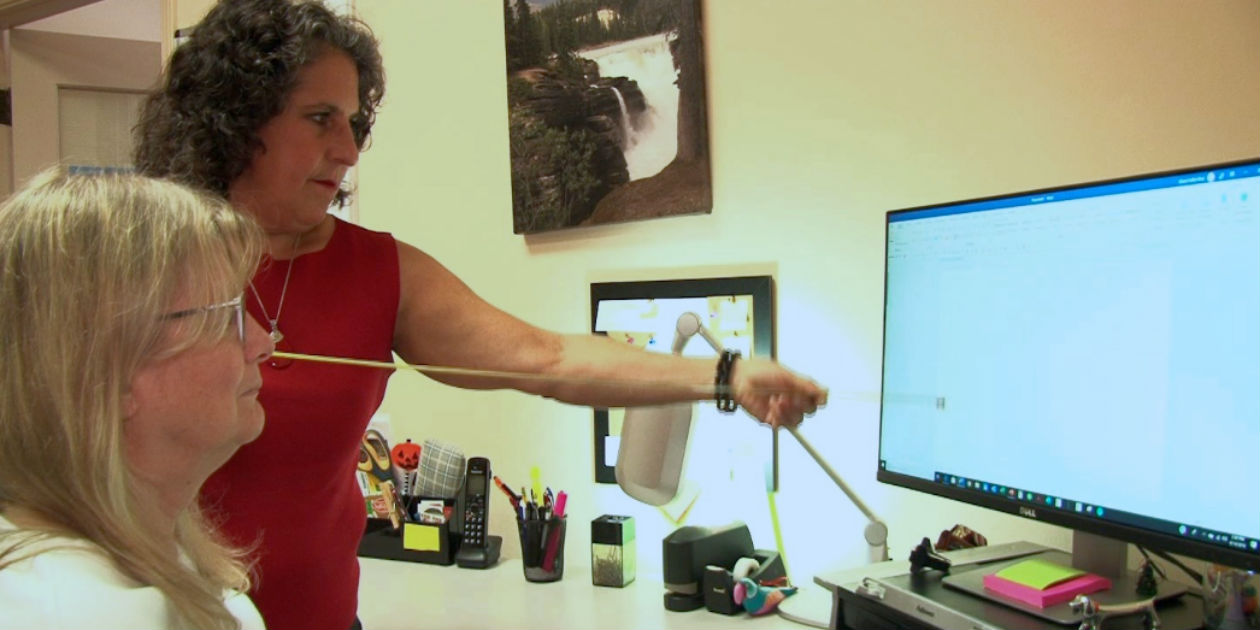
Businesses tend to be reactive when it comes to employee health and safety, mostly because they don’t budget for prevention. Employers typically wait to act until after a workers’ compensation claim occurs. By then, it is too late! Not only did the employer miss the early warning signs and an opportunity to prevent the injury, now the financial implications are real. In California, the average cost of a typical seated work injury is at least $40,000 per case, according to the California Division of Workers’ Compensation.
Read More
Every employer has employees exposed to ergonomic risk factors in the workplace. Whether it is repetitive motion, awkward postures or forceful exertion, all employees face these primary risk factors. These are the most common precursors to a work injury.
Read More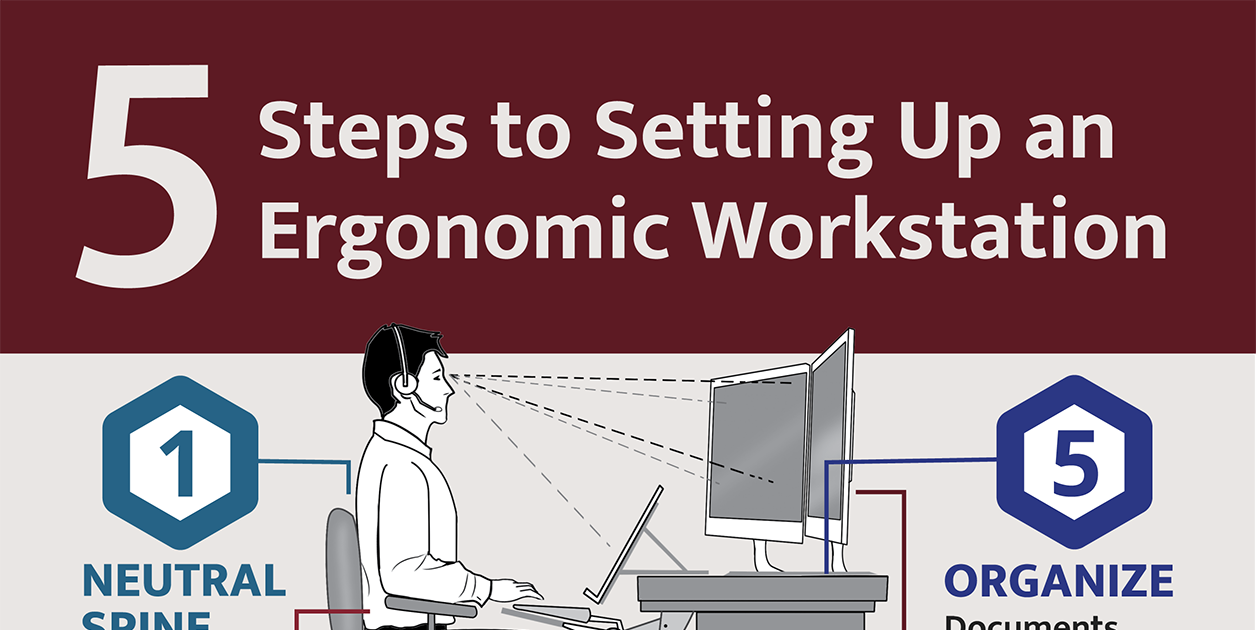
Help any employee who uses a computer with these 5 simple steps to set up an office ergonomic workstation. The steps are easy. Start first with establishing neutral posture in the chair with your feet on the floor or footrest. Then progress to keyboard and mouse placement (keyboard tray), followed by desk height adjustment as able, then monitor height, and lastly, organize everything else within easy reach.
Good ergonomics takes practice. Whether sitting or standing, follow the five steps every day to make them a habit! Print out the infographic below and tack it to your cubical panel or somewhere convenient where everyone can see it.
Read More
Everyone has a role and responsibilities when it comes to ergonomics in the workplace. To keep your process transparent, I’ve outlined my recommended procedure for supervisors and employees to follow when reviewing ergonomic evaluation reports. Supervisors should be familiar with ergonomic principles, attend Introduction to Office Ergonomics training, and understand company ergonomics process policies before reviewing the report with their employees.
Read More
