Worksite International Blog

Six Office Chair Features You Can’t Do Without

Posted by Connor Flynn and Alison Heller-Ono on June 11, 2019

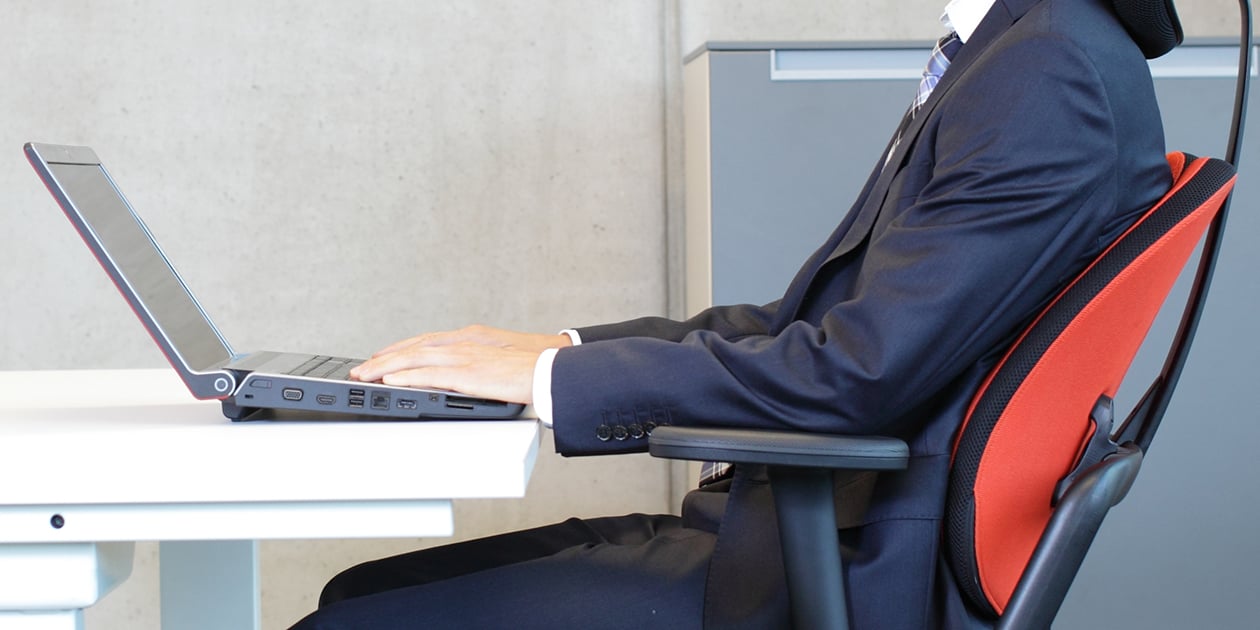
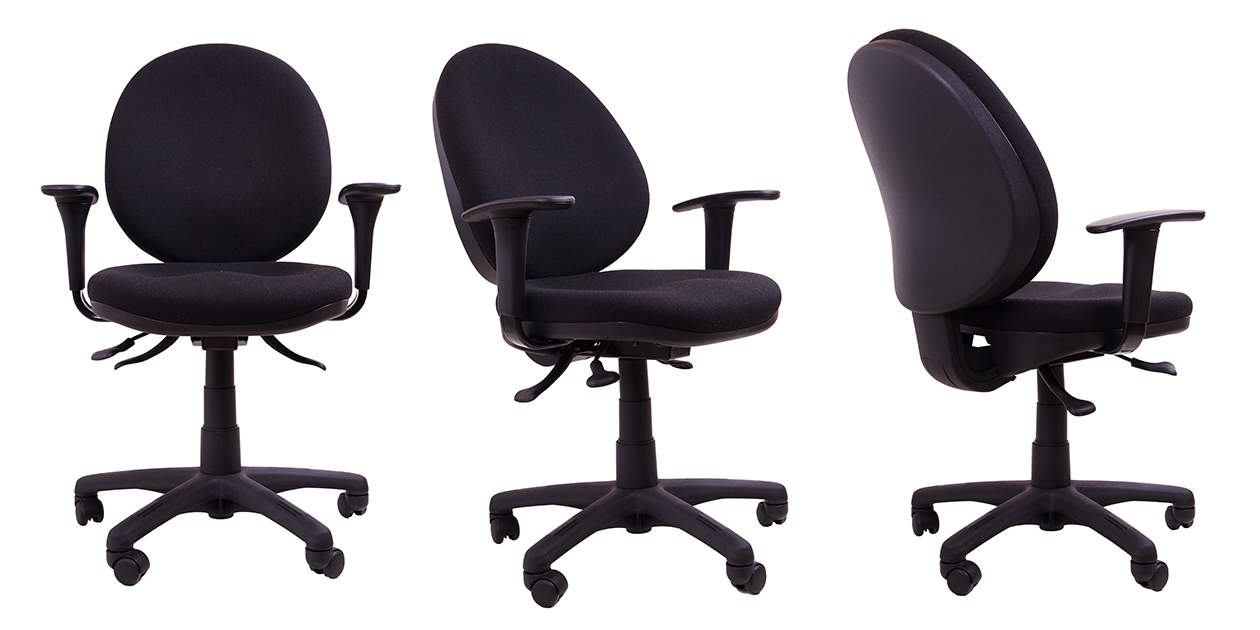
If you work in an office, you know what sitting all day can do to your back. It aches, you’re stiff, and your legs are tired mostly because you didn’t get up often enough or take any long walks. This can all be attributed to poor ergonomics, poor body awareness and a poorly designed office chair. When you know your job requires sitting for long lengths of time, you need to choose the perfect ergonomic office chair. If you can’t control what chair you get, no worries. Here are some tips on what to look for in a proper ergonomic chair.

Read More

Could Sitting at Work Be a Presumptive Workers’ Compensation Claim?

Posted by Alison Heller-Ono on May 15, 2019

Hear me out…. I know what you are thinking, “Really?” Yes, Really!

The reason I propose this question is because of the preponderance of evidence around the health impacts of sitting, our seated work-lifestyle, and trends in workers’ compensation.

Read More

To Arm Rest or Not to Arm Rest… This is the Dilemma!

Posted by Alison Heller-Ono on April 22, 2019

Perhaps one of the most controversial ergonomic actions in the workplace is whether to use armrests or not. I see many employees with chairs that previously had armrests but now do not. When I ask where the armrests are, the employee typically states, "The last ergo evaluator told me to remove them." To which I ask if that was helpful? Typically, employees report continued problems despite this action.

The question is why remove them? Is it necessary or helpful to use armrests with computer use? Is it bad to use chair armrests? There are many myths and half truths around the use of armrests. In this blog, I separate fact from fiction and help identify whether armrests are truly helpful or harmful.

Read More

How Chair Aware is Your Ergonomics Program?

Posted by Alison Heller-Ono on April 15, 2019

Chairs matter a lot. A bad chair matters more. But a good ergonomic chair matters the most!

Why do I say this? Because as a professional ergonomist, I’ve come to realize chairs are foundational to seated work. If the chair isn’t right, then the ergonomics will never be right, and your employees will never truly be comfortable!

So often I see companies with no specific plan for buying chairs for their employees. Typically, they are old, worn, outdated, poorly assigned, non-specific to task or employee stature, don’t work and employees have no idea how to adjust what they have been provided. Chairs are undervalued and underappreciated in the workplace! They are a forgotten asset!

Which brings me to ask you, “Are you chair aware?” Chair awareness is complex. The best way to explain it is to see if you can answer these ten questions.

Read More

How the Quality of Internal Ergonomic Practices Impact Organizations

Posted by Alison Heller-Ono on March 25, 2019

According to Dr. W. Edwards Deming, the father of quality, as quality improves, costs go down and productivity increases. Quality and productivity can be continually improved for better profitability. These are the same drivers that steer a company towards improving their workers’ compensation management and ergonomics process.

Read More

10 Successful Ergonomic Strategies for Supervisors

Posted by Alison Heller-Ono on March 4, 2019

As a supervisor or manager, you are accountable for the actions and productivity of your staff. One area many fall short in is helping employees with injury prevention and management strategies. Management can often be “the weakest link” in the safety and workers’ compensation program as it is your accountability to the organization’s policies and procedures that sets the stage for your employees.

If you walk and talk the safety program, your employees will step up to participate. If you are supportive of their work injury, they will trust and respond favorably to the assistance you offer in getting them back to work.

Read More

Sit-Stand Workstation Recommendations From the Experts

Posted by Alison Heller-Ono on October 4, 2018

This past August, I presented my Chair Assessment Model at the International Ergonomics Association (IEA) Florence, Italy. Over 1700 ergonomists, most of whom were professors and academic researchers from more than 35 countries, were in attendance. This year’s theme was “Creativity in Practice”, the challenge of transforming the experimental, field research, and evaluation processes into the daily practices of the ever-changing working and living organizations. There was an over-abundance of lectures highlighting the latest research in ergonomics and human factors.

Read More

How to Review an Ergonomic Evaluation Report with Your Employee

Posted by Alison Heller-Ono on August 15, 2018

Everyone has a role and responsibilities when it comes to ergonomics in the workplace. To keep your process transparent, I’ve outlined my recommended procedure for supervisors and employees to follow when reviewing ergonomic evaluation reports. Supervisors should be familiar with ergonomic principles, attend Introduction to Office Ergonomics training, and understand company ergonomics process policies before reviewing the report with their employees.

Read More

Benefits of Reviewing Ergonomic Evaluation Reports with Your Employees

Posted by Alison Heller-Ono on July 31, 2018

Where does your company stand when it comes to transparency in sharing your individual ergonomic evaluation reports with employees? Are you transparent in your process or are you keeping the results to yourself? If you aren’t sharing the results of your ergonomic assessments with your employees, what are your concerns? You just might be missing a golden opportunity and here’s why!

Read More

The Role of Job Analyses in Creating ADA Compliant Job Descriptions

Posted by Alison Heller-Ono on January 18, 2018

In today’s litigious employment environment, it’s critical employers have ADA compliant job descriptions reflecting the way employees truly work. With so many new laws and regulations every year, it makes sense to review your job descriptions to assure they’re accurate and up to date.

Read More

Subscribe to Email Updates

Stay Connected

Popular Articles