
A reflection on chair profiling, the WIETA CASp program, and why the right framework changes everything.
Read MorePosted by Michael Schiller on April 21, 2026
A reflection on chair profiling, the WIETA CASp program, and why the right framework changes everything.
Read MorePosted by Alison Heller-Ono on October 21, 2025
Many employers are concerned about how to get employees to change their unsafe work behaviors. This is demonstrated by poor postural habits, ineffective use of adjustable equipment, sedentary behaviors, and the onset of symptoms from poor work habits and practices. As ergonomists, we routinely include education and training on how to work safely using good habits in our assessments. However, it takes much more than a one-time evaluation to change employee behaviors!
When we think of life-changing habits, we often imagine huge, daunting lifestyle overhauls. However, as Charles Duhigg explains in his book The Power of Habit, real transformation typically starts with small, fundamental routines known as “keystone habits.” These pivotal behaviors are powerful; once adopted, they often trigger a cascade of positive changes throughout other parts of life and work.
Read MorePosted by Alison Heller-Ono on June 17, 2025
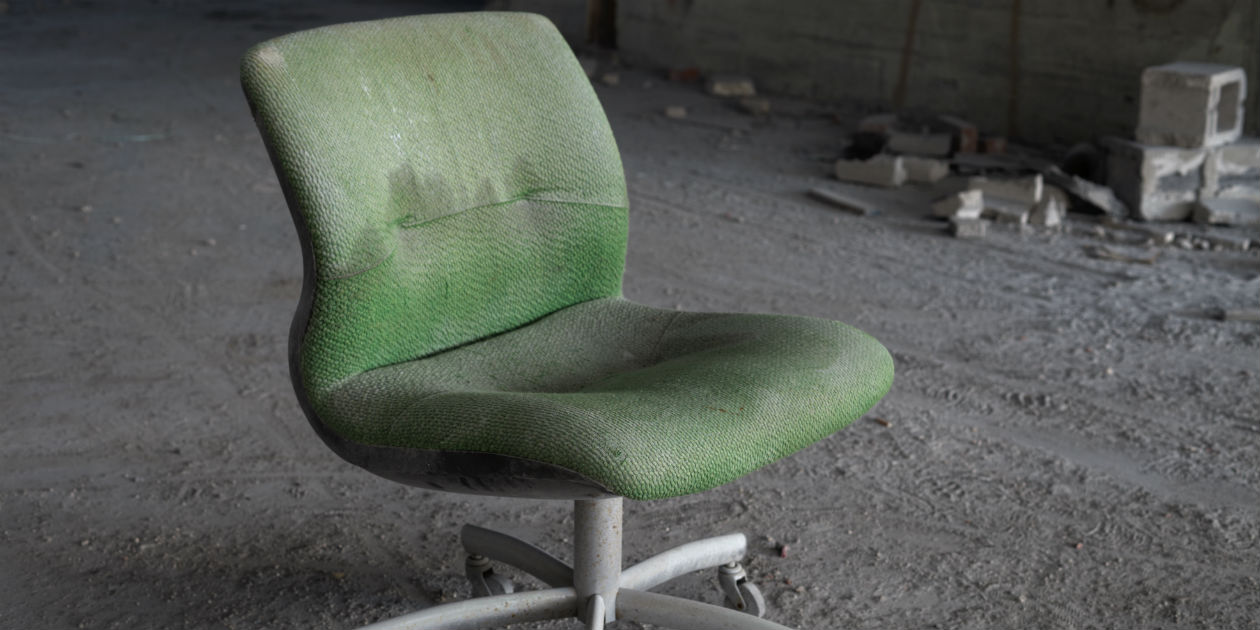
Figure 1. Are your employees playing musical chairs because nothing feels quite right?
In addition to your employees playing “musical chairs” with their chairs, here are a few tell-tale signs your chairs are just not the right fit for employees.
Read MorePosted by Alison Heller-Ono on April 15, 2025
Industry organizations have developed widely accepted ergonomic guidelines for the set up of office workstations and the design of ergonomic chairs. What’s missing — and very much needed, I argue — is an objective methodology for making the decision to keep, repair or replace task chairs once they’re in the workplace.
Despite recent trends toward promoting more standing in the workplace, average sitting times now exceed 7.7-10 hours per day or longer in the workplace, not including commute time. Most employers do not yet have widespread capacity for sit-to-stand workstations. As a result, far more emphasis needs to be placed on selecting chairs and the ongoing use of an ergonomic chair.
Read MorePosted by Alison Heller-Ono on March 11, 2025
An ergonomic lifestyle is one where you are happy, safe, and comfortable wherever and whenever you work because you have the right equipment that fits and supports you. Your workstation should be designed to fit you... in other words, human-centered or U-centric!
Posted by Alison Heller-Ono on March 7, 2023
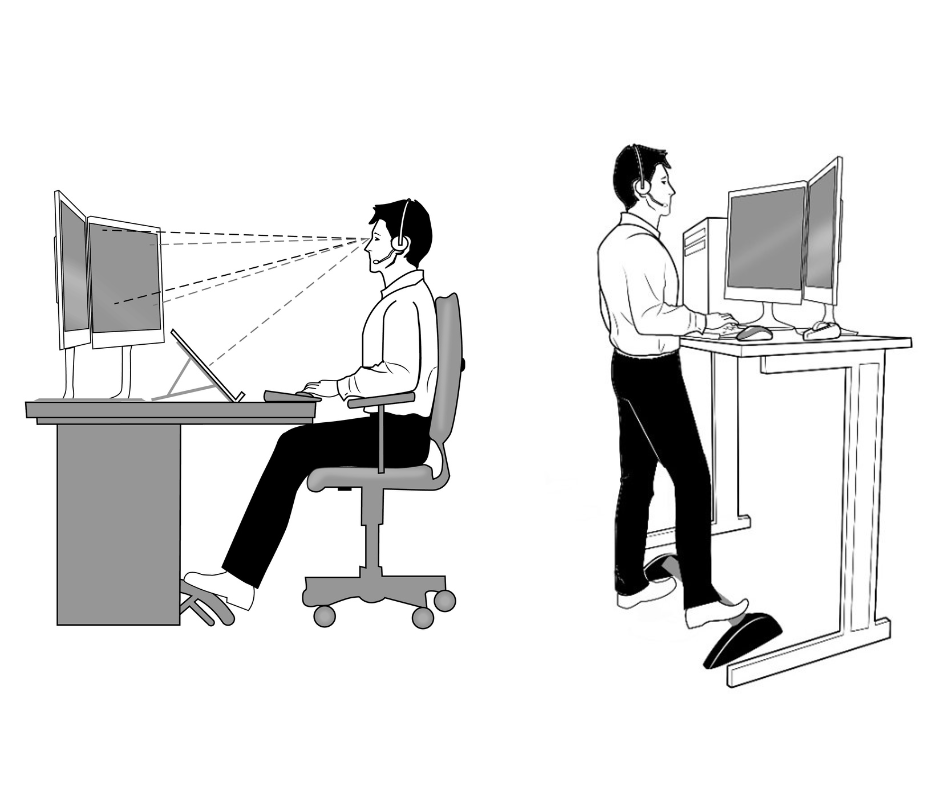
The use of a footrest is often an optional add-on for a seated or standing workstation. Many employers are in a quandary as to whether to provide this curious device. And many employees don’t recognize when they could use one or even how to use one when placed under the workstation.
Read MorePosted by Alison Heller-Ono on October 17, 2022
When your employee tells you they have back pain from sitting, do you immediately think you need to replace his/her chair? And if you do replace it, do you worry about whether their cubicle neighbor to the right and left will want one too? Then before you know it…many employees are reporting the same; bringing in therapy balls or asking for ergonomic evaluations to justify replacing their ergonomic office chairs.
Read MorePosted by Alison Heller-Ono on June 17, 2021
As a Professional Ergonomist and Chair Assessment Specialist (CASp), I often talk about the science of sitting, chair assessment, selection and fit in my blogs, in my presentations, and when I evaluate employees in the office. You may of heard me say, "if the chair isn't right, then the ergonomics of the workstation will never be correct."
Read MorePosted by Alison Heller-Ono on May 17, 2021
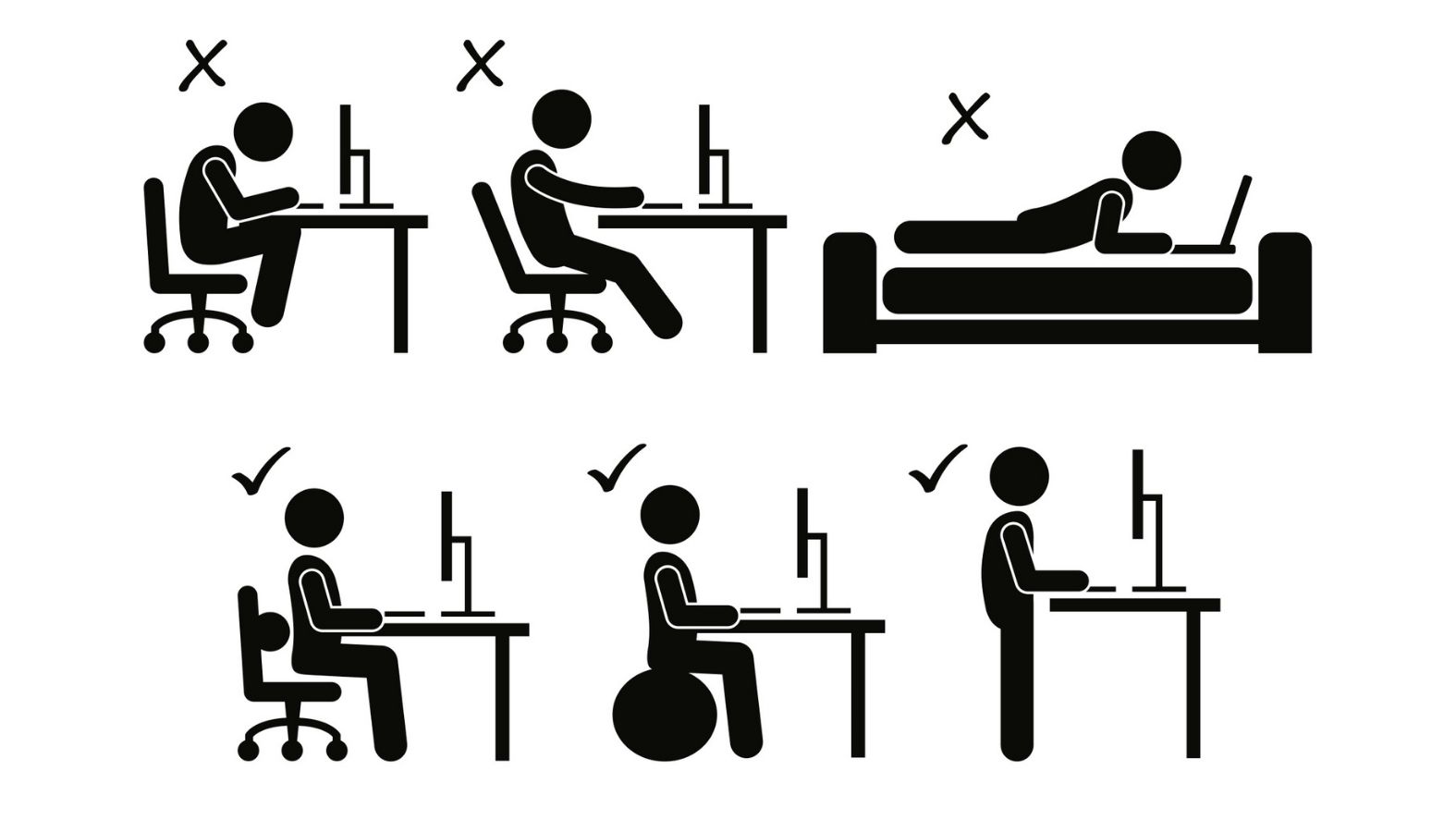
Over the last year, we've all adapted to working from home. This fact has got me thinking, how many of our new habits, are good habits? This includes our work postures.
Read MorePosted by Alison Heller-Ono on April 23, 2020
Recently, I had the opportunity to record my first podcast with James Crow of Posture Stars. Not only was it a lot of fun, but I was able to answer some important questions about posture. As a physical therapist and ergonomist, posture has come to mean different things to me when I observe and assess employees in the workplace. Did you know there are many kinds of postures?
Listen in to my thoughts on posture, it's significance in our daily work life and a bit of thoughtful advice for listeners.
James asked me the following questions:
1. What is posture?
2. What do you do to help people's posture?
3. If you could give one simple piece of posture advice for our listeners right now, what would that be?